

[April 10, 2026]
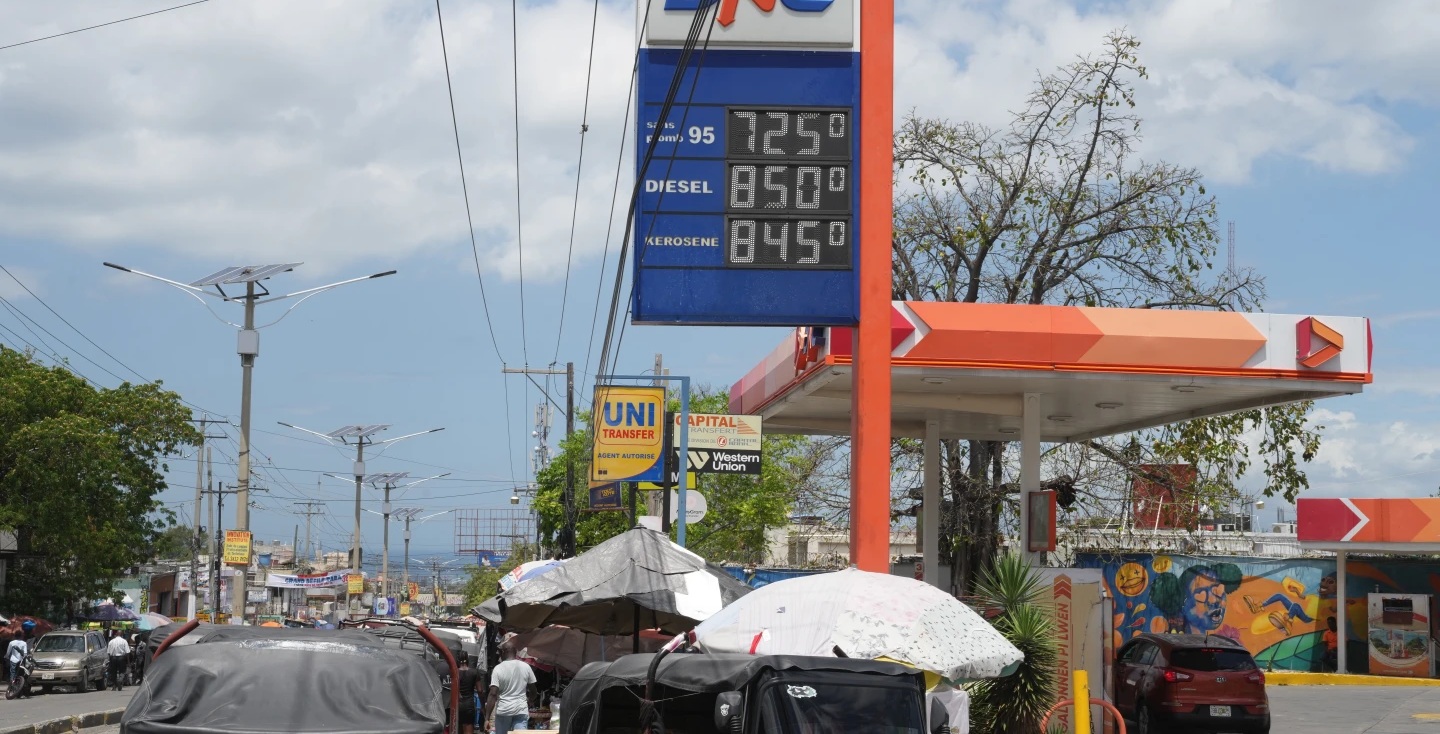
PORT-AU-PRINCE — A new wave of economic despair is washing over Haiti as skyrocketing global oil prices—driven by escalating international tensions involving Iran—trickle down to the country’s most vulnerable citizens. With fuel prices reaching record highs, the cost of living has become a matter of survival for millions.
The Domino Effect of Gas Prices
The surge at the pump has triggered an immediate crisis in the transportation sector. In a country where most food is transported via tap-taps (colorful local buses) and trucks, the doubling of fuel costs has led to a direct spike in grocery prices.
“We used to eat two meals a day; now we are lucky to have one,” said one street vendor in Port-au-Prince. “If I pay for the bus to get my goods to market, I have no money left to buy the food itself.”
A Nation Under Pressure
The economic shock is compounding an already volatile situation in Haiti. The country continues to grapple with:
- Food Insecurity: Basic staples like rice, beans, and cooking oil have seen price increases of over 50% in some regions.
- Gridlock: Gang violence and blockades on major highways already make transport dangerous; high fuel costs have now made it unaffordable.
- Social Unrest: Growing frustration has led to sporadic protests, with citizens demanding government intervention to subsidize fuel and stabilize the economy.
Global Conflict, Local Consequences
While the root of the price hike lies in the geopolitical conflict in the Middle East, the impact is felt most acutely in nations like Haiti that lack a strategic fuel reserve. Economists warn that without immediate humanitarian aid or a stabilization of the global energy market, the country faces a looming famine.
As the government struggles to provide a safety net, many Haitians are left wondering how much longer they can endure a world where the cost of moving food is higher than the value of the food itself.