
No School This Week! This week (February 16-20, 2026) there is no school, it is a national holiday.
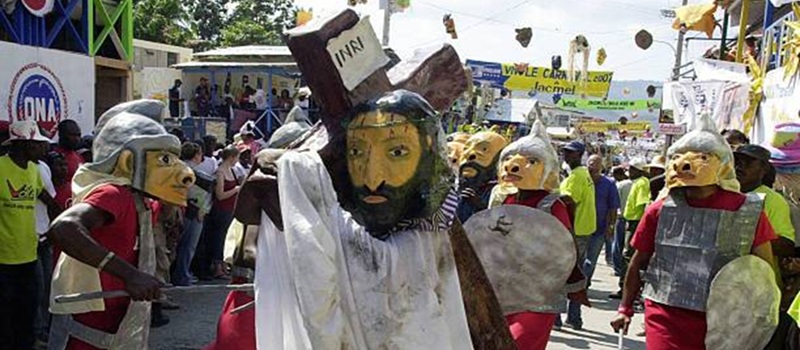
This is the week of Carnival. Haiti’s Carnival (or kanaval in Haitian Creole) is rooted in a blend of European Christianity and African spiritual traditions, reflecting the nation’s complex history and cultural identity. Introduced during French colonial rule, Carnival followed the Christian calendar and was promoted by the Catholic Church as a final season of celebration before the solemn period of Lent.
At that time, the enslaved people were not allowed to participate. Slave owners wanted to deprive the people of as much as possible, particularly things associated with the lifestyle of Haiti’s white, slave-owning elite. But the enslaved people staged their own mini-carnivals in their backyards and areas. With costumes made of rags and their skin painted with ashes and grease they imitated and ridiculed the slavemasters.
Over time, these traditions merged with African beliefs brought to Haiti by enslaved peoples. Drumming, call-and-response singing, symbolic colors, and spirit-inspired imagery—drawn from African spirituality—became central to Carnival’s sound and spectacle.
Though officially Haiti’s Carnival is not a religious holiday today, it remains very religious for the adherents of Catholicism and Voodoo, each using it is an expression of their understanding of God, Jesus, faith and religion. There are also mock expressions of Christianity, reflecting Haiti’s negative experience of the colonial slave owner’s religion.
Prayer Focus: That the love of Jesus would reach into the hearts of those trapped by the empty shell of religion, or by the spirit of fear and appeasement expressed through Catholicism and Voodoo. That people would come to know the real Jesus who comes to set the captives free from bondage and religion and fear!